

Flow
Digital and physical flow
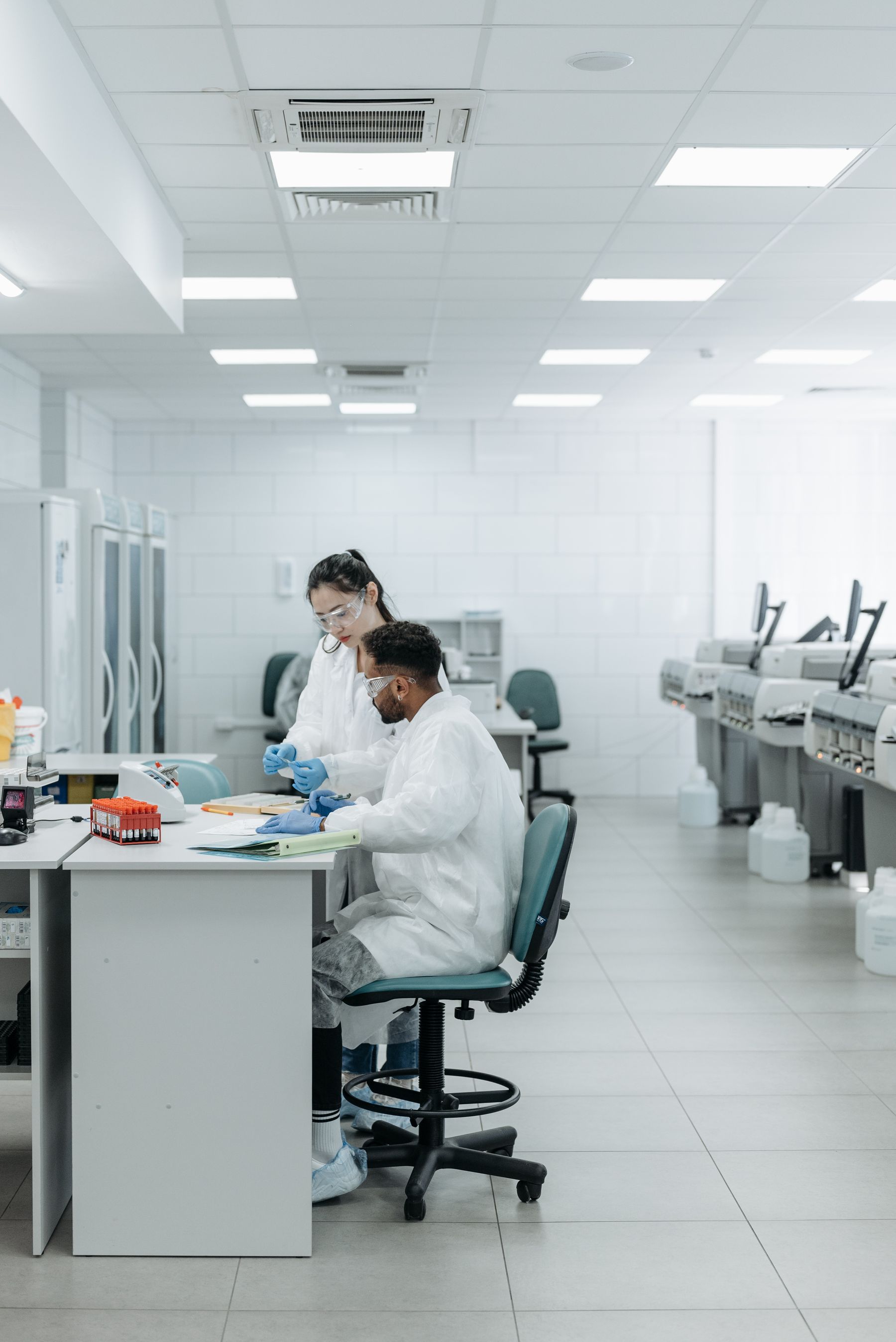
Technology work has to respect production constraints, downtime risk, quality, and the sequence of physical operations.
 Kelly Case StudyHow Kelly Built a Scalable Enterprise Work Management SystemRead the Story
Industry
The pilot worked at one plant, and every other site still runs the old way with its own data definitions.
You will recognize this
What is changing
Deloitte's 2026 manufacturing outlook ties smart manufacturing and agentic AI to supply chain complexity and adaptive workforce planning, and NIST's supply-chain traceability framework is built to link data across suppliers and plants.
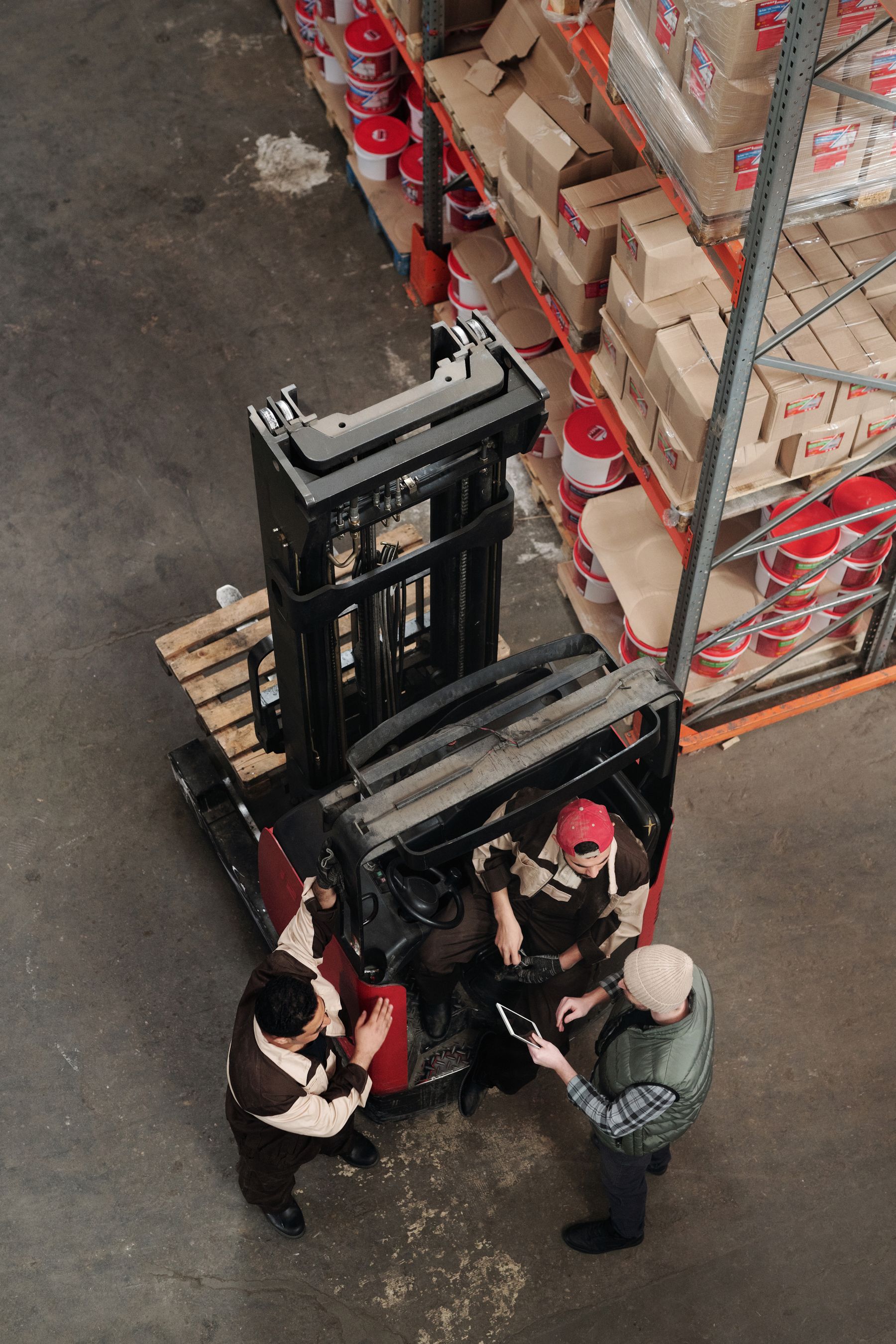
Technology work has to respect production constraints, downtime risk, quality, and the sequence of physical operations.
Connected systems need shared definitions and accountable data before analytics can guide decisions.
Engineering, operations, quality, supply, cybersecurity, and technology teams must coordinate around the same outcome.
Sources: Deloitte 2026 Manufacturing Industry Outlook, NIST supply-chain traceability meta-framework
The system view
Hover a part of the system to see how this industry strains it. Select it to learn more.
The highlighted parts are where this industry puts the most pressure on how work moves.
What good looks like
What the work looks like once the system holds, and the signal that shows it.
The second and third plants adopt the pattern faster than the pilot, with documented local exceptions.
Technology releases and maintenance windows are sequenced in the same forum before either is scheduled.
Shift teams practice on the new system before it touches a production line.
Where to start
Each starting point names the condition you can see today and the service that addresses it first.
If improvements stall between plants or at the IT and operations handoff, start with Value Stream Management.
Operating Model DesignIf technology and plant leadership make conflicting calls on the same line, start with Operating Model Design.
Training and Capability DevelopmentIf new systems reach the floor before operators and supervisors can run them, start with Training and Capability Development.
From the field
Some of these come from other industries. The same component fails the same way here.
A small investment firm had no software teams and no sprints. It still needed what agility actually provides: a shared definition of value and a way to see where every piece of work stood.
Field storyA global IT leadership team narrowed its pilot choice to four groups, then ruled out three for reasons that had nothing to do with willingness. The group that remained was the one that most resembled the organization the pilot was meant to convince.
ArticleThe launch is visible. Sustainment is a thousand quiet operating decisions, and most change efforts never build the engine that carries them.
Answer five questions about where work stalls. We send back a starting plan: where to begin and what to look at first.