


Everyone agrees with the change, then a quarter passes and the work looks exactly the same.
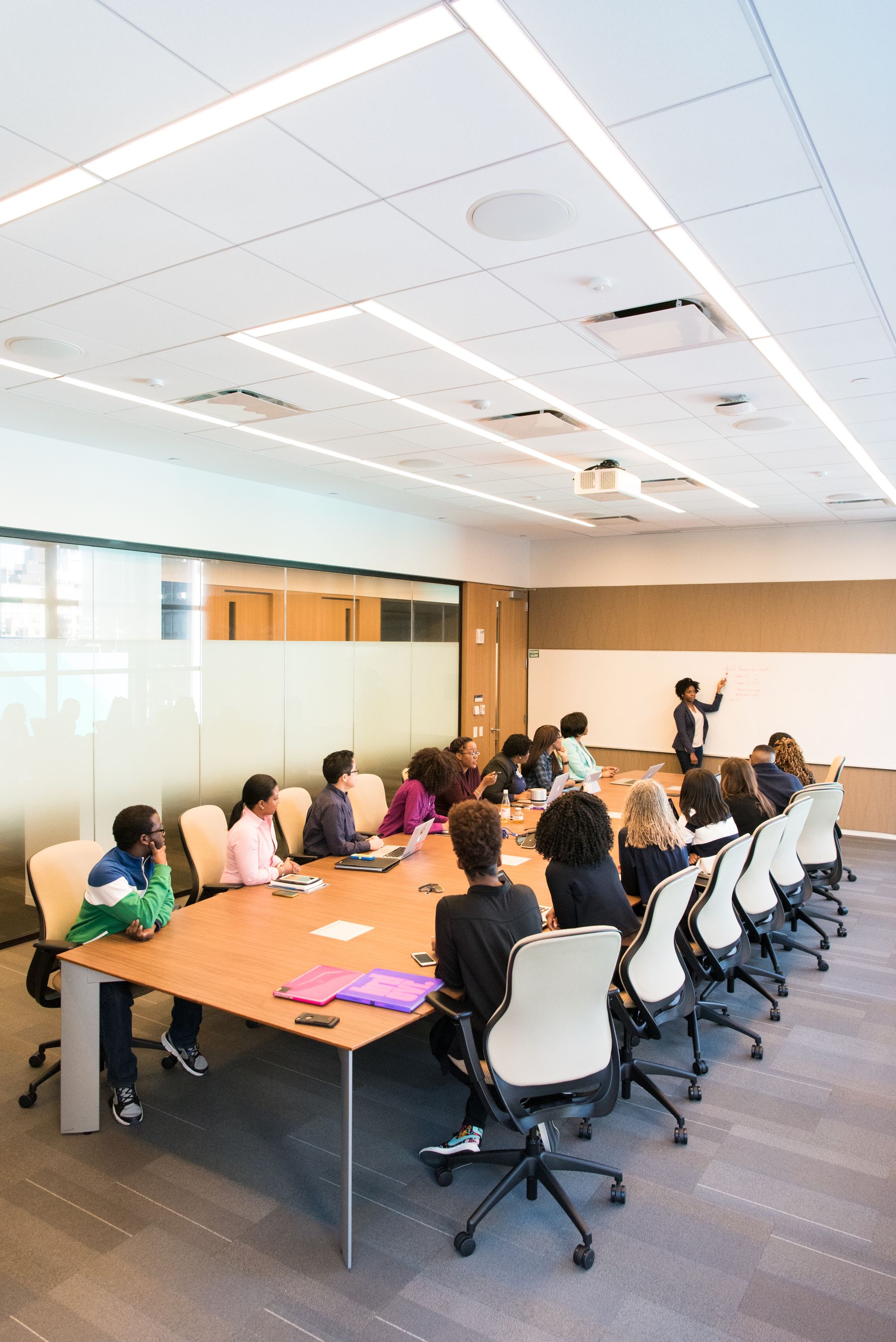
You have sat in this meeting. Someone brings a sharp proposal, the logic is clean, the proof is real, and everyone around the table nods along and agrees it is the right move. Then a quarter goes by and nothing has actually changed. The work that was supposed to look different looks exactly like it did before, and no one can quite say why.
This is the part most transformation pitches refuse to sit with. Organizations do not adopt a new way of working because the method is good. They adopt it because they are afraid of what happens if they do not, and the moment you take that fear away the appetite leaves with it. No framework, certification, or airtight business case will put it back because none of those things were ever what moved people in the first place.
| Starts change? | |
|---|---|
| A good method | No |
| Framework or certification | No |
| Airtight business case | No |
| Fear of standing still | Yes |
We have watched this hold true across three continents, and the pattern rarely changes. The thing that starts a transformation is urgency, the real and specific sense that standing still has become the most dangerous option on the table. The clearest version we have heard was a BMW executive telling a room, plainly, that if the company did not change it already knew it was dead. That kind of fear turns a good idea into a decision. Everything before it is rehearsal.
The opposite proves the same point. Where there is no pressure there is no change, no matter how obvious the upside looks on paper. In markets where a company almost never loses a customer to another, the major players can stop competing in any meaningful sense. With no threat bearing down on them, there is no reason to change how the work happens. The better way can sit fully available and completely untouched.
- Customers almost never lost
- Players stop competing
- No reason to change the work
- Better way sits untouched
- Standing still is most dangerous
- Fear is real and specific
- A good idea becomes a decision
- Change actually begins
That is why a market can be easy to misread from a distance. The pressure that drives change is there, but it is uneven and almost impossible to feel from outside. A market report can tell you which sectors are growing. It cannot tell you which leaders are comfortable and which ones quietly know the clock is running. That read comes from people who live inside the system and watch it strain in real time.
Performance is the quiet killer. An institution can claim the work, buy the certifications, run the meetings, and change nothing of consequence because nothing in its world is forcing the issue. Comfort is the enemy of urgency, and more often than not that comfort sits highest in the building with the people who approve the budget.
So ask a better question before the next transformation gets a green light. Do not start with the framework or even the plan. Find the location of the fear and the name of the person who actually feels it. If no one in the room is genuinely afraid of what happens if nothing changes, what you are about to fund is not a transformation. It is a polished way of staying exactly where you are.
-
Set the framework aside Do not start with it, or the plan
-
Locate the fear Where standing still feels dangerous
-
Name who actually feels it The name of a real person
-
The verdict If no one is afraid A polished way of staying put
Find the part of the organization that knows it is running out of time. That is the ground where change can take root.
Share With Your Team
Choose who it is for. You send it yourself from your own email; Agileon never writes to your colleagues.